Direction

I decide what a thing should be, where it should stand, and how it should be understood, then keep that decision visible through everything that follows.

Discuss a project

What this means in plain language

Choosing how something looks and feels: the mood of the photography, the type, the colours, the images and how they are arranged.

Art direction

Choosing how something looks and feels: the mood of the photography, the type, the colours, the images and how they are arranged.

Visual language

Colour, type, image style, composition, texture and movement, used the same way every time so the work is recognisable.

Experience design

Designing what people see, hear, do and feel across the whole journey, not just how one thing looks.

Atmosphere

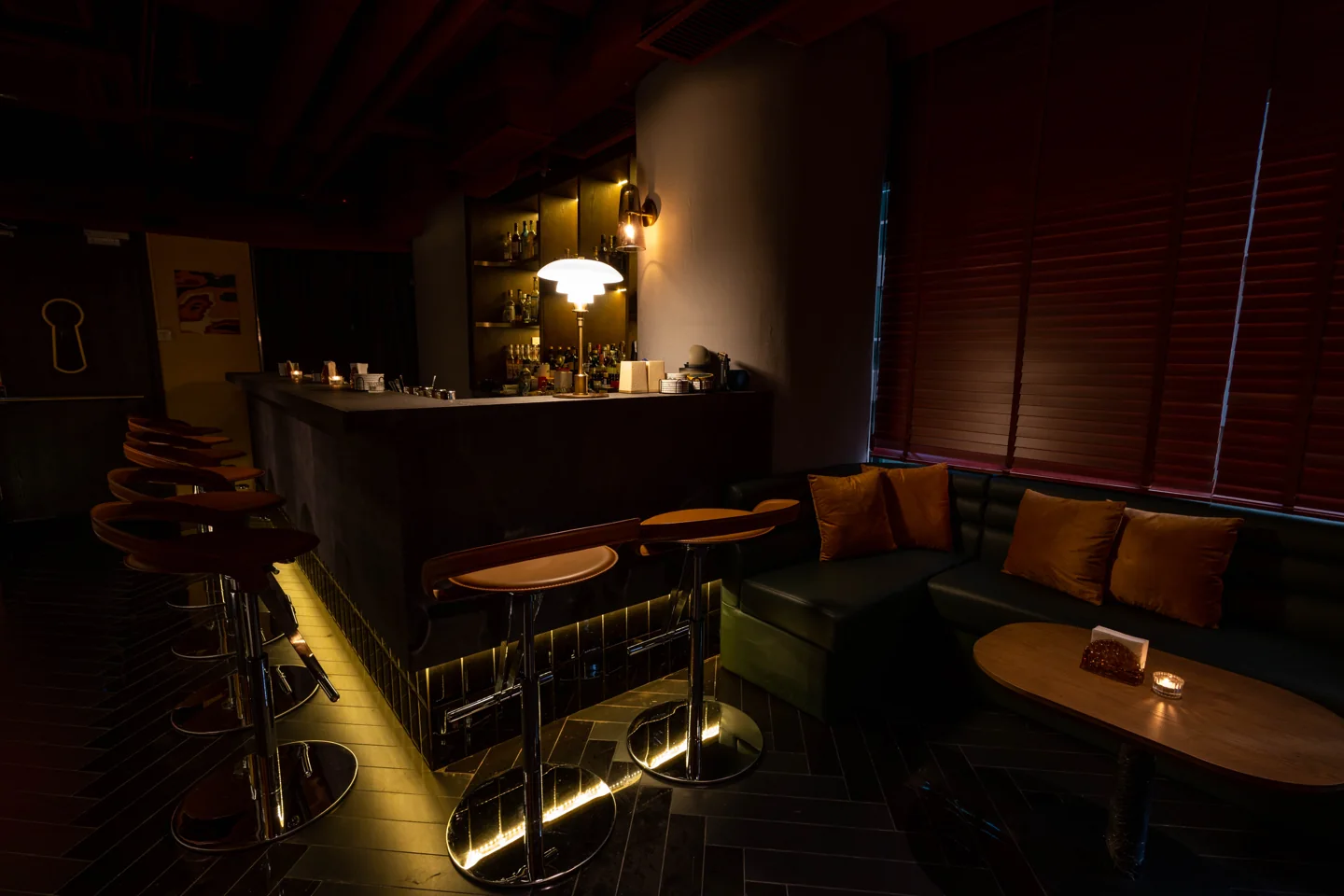
The overall feeling a place or a piece of work gives, built from visuals, sound, space, lighting, pacing and how people behave in it.

Spatial experience

How someone feels and behaves inside a place: the layout, sound, lighting, movement, materials and atmosphere.

Featured work

All work in this line

Production, art direction, shooting and editing. The role is identified on each project.

Capabilities

01

Brand strategy

What it is, who it is for, and what it refuses to be.

02

Positioning

Where it stands in the market and in the room.

03

Creative direction

One decision carried consistently across every output.

04

Art direction

Image, material, framing and tone, decided together.

05

Campaign & content direction

A repeatable way to say the same thing without repeating yourself.

06

Experience direction

Behaviour, sequence and atmosphere: how it should feel to be there.

Tools & implementationPositioning statements · reference sets · visual systems · direction documents

Current R&D

Ongoing work on how a venue's behaviour, rather than its logo, is what people actually read as its identity.

01

Release art direction

How one decision carries a song, its film, its cover and its campaign.

What gets delivered

01

Positioning

One sentence the whole team can repeat.

02

System

The visual and verbal rules that carry it.

03

Direction

A decision that stays visible after handover.

How we get there

01

Look at what it actually is. The offer, the audience, the room, the constraint.

02

Name the decision. If it takes a paragraph, it is not a decision yet.

03

Make it visible. The system that carries it is the proof.

How I think

01

Observe

Watch how people behave in the thing as it is now, before proposing what it should be.

02

Interrogate

Separate a look problem from a meaning problem. Most rebrands are the second one.

03

Name

Reduce it to one line, then test whether it survives a busy week.

04

Direct

Carry the decision into image, film, space and sound without diluting it.

05

Hand over

Leave the rules behind, so the work keeps its direction without me in the room.

Do I need to commit to a big project?

No. A first session can be a single decision, written down and tested. You see the deliverable and price before agreeing to paid work.

What if the direction is not right?

We agree a review point and what can change. A direction that cannot be revised is not a direction, it is a guess.

We already have someone doing this.

I can take a defined part alongside your team, usually the decision and the system that carries it. We agree who owns what.

How we could work together

Send me one brief. I'll turn it into a clear scope, deliverables and price before you commit.

  • 01Brief
  • 02Scope
  • 03Agreement
  • 04Start

Paid work begins only after the scope and fee are agreed.